Otis Worldwide Raises Quarterly Dividend to 44 Cents
Otis Worldwide increased its quarterly dividend to 44 cents a share, extending its dividend-growth streak to five years.
 OTIS — Otis Worldwide Corporation
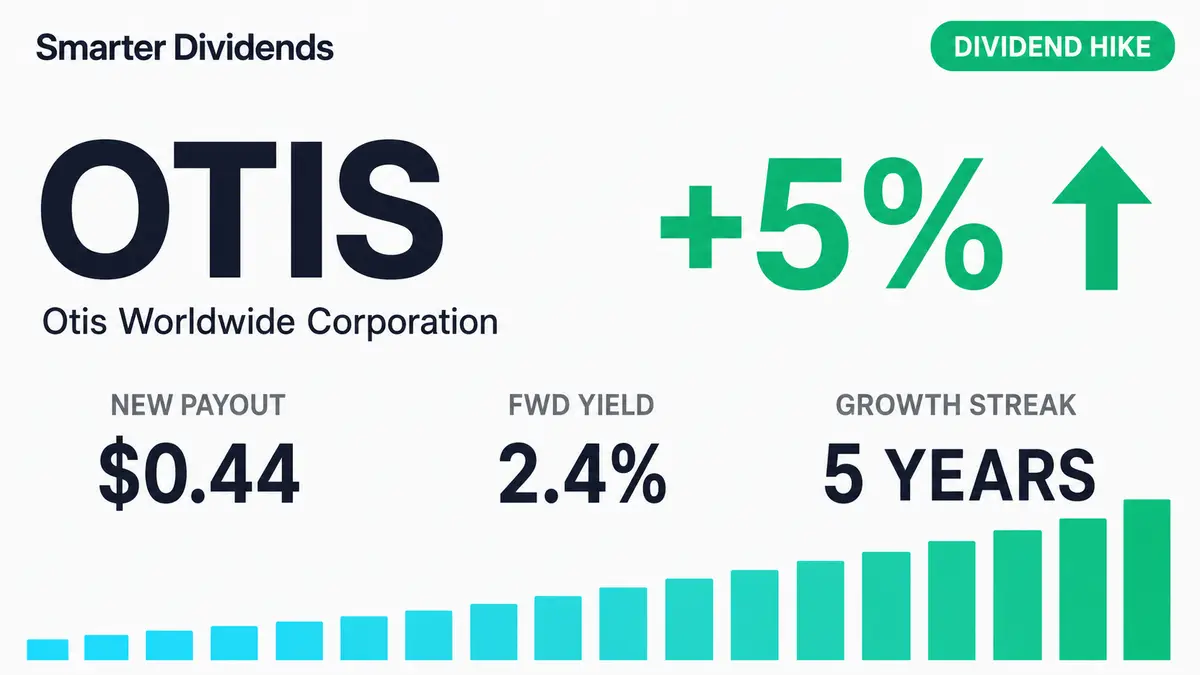
Otis Worldwide Corporation (OTIS) raised its quarterly dividend to $0.44 per share from $0.42, a 4.76% increase, with the shares trading ex-dividend on May 15, 2026. The move lifts the company’s annual dividend rate to $1.70 per share and implies a forward annual yield of 2.39% based on a share price of $71.27.
The increase extends Otis’ consecutive dividend-growth record to five years. The company, classified in the Industrials sector, has a dividend safety score of 73 out of 100, or a B grade, according to the locked dividend data for this event. Its market capitalization was $27.35 billion.
Business Context
Otis is one of the world’s largest elevator and escalator companies, with operations spanning new equipment, maintenance, repair and modernization. The company says its installed base and service model are central to its recurring revenue profile, a feature often watched by dividend investors because service contracts can be less cyclical than new-equipment demand.
In its most recent annual filing, Otis described its business as organized around New Equipment and Service, with Service including maintenance, repair and modernization work for elevators and escalators. That mix matters because dividend durability in industrial companies is often tied to cash generation through economic cycles, not just headline earnings growth.
Otis also has been operating as an independent public company since its 2020 separation from United Technologies. Since then, dividend increases have become part of its capital-return record, though the current increase remains modest in size and should be evaluated alongside earnings, free cash flow and leverage trends.
What It Means for Income Investors
For income-focused holders, the higher quarterly payout modestly raises cash income while preserving a moderate yield profile. The new dividend rate represents a continuation of Otis’ post-spin dividend-growth pattern rather than a major reset in payout policy.
The company’s B safety grade suggests a generally sound but not risk-free dividend profile. As with other industrial dividend payers, investors will likely watch service revenue, margins, cash conversion and balance-sheet priorities to judge whether future increases can continue at a similar pace.
OTIS dividend data
From the SmarterDividends dataset, updated daily
- Forward yield
- 2.34%
- Payout ratio
- 44%
- Growth streak
- 5 yrs
- Safety grade
- B · 76/100
| Ex-dividend date | Amount | Change |
|---|---|---|
| Aug 14, 2026 | $0.4400 | +0.0% |
| May 15, 2026 | $0.4400 | +4.8% |
| Feb 13, 2026 | $0.4200 | +0.0% |
| Nov 14, 2025 | $0.4200 | +0.0% |
| Aug 15, 2025 | $0.4200 | +0.0% |
| May 16, 2025 | $0.4200 | +7.7% |
| Feb 14, 2025 | $0.3900 | +0.0% |
| Nov 15, 2024 | $0.3900 | +0.0% |
See OTIS's full dividend profile
Yield, payout, safety score, history and the next ex-dividend date.
View OTISEvery dividend increases this month, with the data behind it: Dividend Increases, June 2026.
More dividend news

Old Second Bancorp Raises Quarterly Dividend 14.3% to $0.08
Old Second lifts its quarterly dividend 14.3% to $0.08, with a 15% earnings payout ratio and an A safety grade after stronger quarterly results.
West Coast Community Bancorp Raises Dividend 16.0% to $0.29
West Coast Community Bancorp raised its quarterly dividend 16.0% to $0.29, extending a 5-year growth streak with an A safety grade and 1.83% yield.

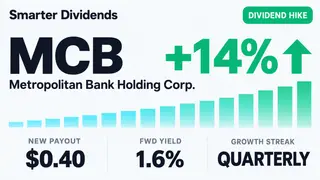
Metropolitan Bank Raises Quarterly Dividend 14.3% to $0.40
Metropolitan Bank lifts its quarterly dividend to $0.40 as stronger earnings, wider margins and solid capital support the latest payout increase.

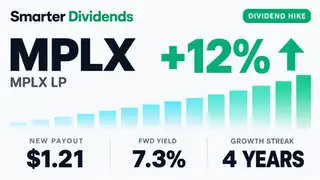
MPLX Raises Quarterly Distribution 12.5% to $1.2111
MPLX lifted its quarterly distribution to $1.2111 per unit, extending its growth streak as cash generation supports a larger capital return.

Seagate Raises Quarterly Dividend 2.7% to $0.76
Seagate raised its quarterly dividend 2.7% to $0.76 after record free cash flow, stronger demand and continued balance-sheet repair in cloud storage.